Chemical Cystitis: When Bladder Symptoms Aren't Caused by Infection

Updated: Jun 19
Written and approved by Dr. Jasmine Bonder and Dr. Adam Bonder
Introduction: UTI Symptoms Without a UTI
You know the feeling. The burning. The urgency. The pelvic pressure. You're sure it's another UTI, so you give a urine sample, brace yourself for antibiotics, and wait for the results. Then the call comes back. "Your culture is negative. There's no infection."
But the symptoms are still there. The burning is still real. The discomfort is still affecting your day. And no one has explained what's actually going on.
For many women, the answer is a condition called chemical cystitis. It's an inflammation of the bladder caused not by bacteria, but by exposure to chemicals or irritants that have come into contact with the urinary tract. It's a real, well-recognized cause of bladder symptoms, and it's often missed because it doesn't fit the standard UTI script.
In this guide, we'll walk through what chemical cystitis is, what causes it, how to recognize it, and what evidence-informed care can do for you. Our goal is to help you feel more informed, more validated, and more confident the next time your body is telling you something is wrong.

If you'd like a printable companion resource to keep at hand or bring to your next appointment, you can grab our free Clinova UTI and bladder health guide here anytime.

Chemical cystitis is inflammation of the bladder caused by exposure to a chemical irritant rather than a bacterial infection. The lining of the bladder is sensitive tissue, and certain substances can irritate it directly, leading to symptoms that often feel identical to a urinary tract infection.
In simple terms, the bladder isn't infected. It's irritated. And the irritation is producing real, sometimes intense, symptoms.
There are two broad categories to know about:
Mild, everyday chemical cystitis, which is most commonly caused by household, personal care, or intimate products coming into contact with the urethra or vagina
Severe medical chemical cystitis, which can occur with certain chemotherapy drugs, pelvic radiation, or specialized bladder treatments
Most women who experience chemical cystitis fall into the first category, which is what this guide focuses on. We'll touch briefly on the second category later for completeness.
How Chemical Cystitis Differs From a Typical UTI
The symptoms of chemical cystitis and a true UTI can look almost identical. That's part of why so many women are treated with antibiotics they don't actually need. Here's a side-by-side comparison.
Feature | True UTI | Chemical Cystitis |
Cause | Bacterial infection | Chemical or irritant exposure |
Urine culture | Usually positive | Typically negative |
Antibiotic response | Usually clears symptoms | Little to no improvement |
Timing | Can be unpredictable | Often clearly linked to a specific exposure |
Pattern | Variable | Symptoms often return when the trigger returns |
Other signs | May involve fever or back pain in some cases | Usually localized to bladder and urethra |
If you've had several "negative culture" UTI flares, especially ones that seem to follow a hot tub visit, new soap, bubble bath, or change in intimate products, chemical cystitis is worth considering.
Common Causes of Chemical Cystitis
Many of the most common triggers are things that touch your body every day. The list below isn't meant to alarm you. It's meant to give you starting points for figuring out what might be contributing to your symptoms.
Personal Care Products
Scented soaps, washes, and body sprays
Bubble baths and bath bombs
Bath oils and salts
Scented or fragranced wipes
Feminine sprays, douches, and deodorants
Heavily perfumed lotions used on or near the vulva
Intimate Products
Spermicides, especially products containing nonoxynol-9
Certain lubricants, particularly those with glycerin, parabens, propylene glycol, or strong fragrances
Diaphragms and cervical caps, sometimes combined with spermicide exposure
Some condom materials (uncommon, but possible)
Sex toy cleaning products or residues
Laundry and Fabric
Heavily fragranced laundry detergents
Fabric softeners
Dryer sheets
Residues left on underwear from incompletely rinsed laundry
Menstrual Products
Scented pads and liners
Scented tampons
Certain wipes marketed for menstrual use
Bathing and Recreational Exposures
Hot tubs, especially heavily chlorinated ones
Chlorinated swimming pools
Sitting in chlorinated water for long periods
Sand or grit in swimwear after a beach day
Toilet Paper and Wipes
Heavily fragranced or dyed toilet paper
"Flushable" wipes with preservatives or fragrances
Other Possible Triggers
Certain over-the-counter products (some "feminine itch" treatments)
Some topical medications
Glycerin-based products used internally
Most of these are not harmful in general use. The issue is that some women have more sensitive bladders or vulvar tissue, especially after repeated UTIs, antibiotic courses, hormonal shifts, or chronic inflammation. A product that has never bothered you before can suddenly become an irritant.
Less Common but Serious Causes
A small percentage of chemical cystitis cases occur in specific medical situations. These are important to mention briefly so women receiving these treatments know what to look for and seek appropriate care.

Chemotherapy
Certain chemotherapy medications, including cyclophosphamide and ifosfamide, can cause inflammation of the bladder, sometimes severe. This is often called hemorrhagic cystitis when bleeding is involved. Patients receiving these medications are typically monitored closely.

Pelvic Radiation
Radiation therapy to the pelvis can damage bladder tissue, leading to radiation cystitis. Symptoms can sometimes appear months or years after treatment ends.
Intravesical Treatments
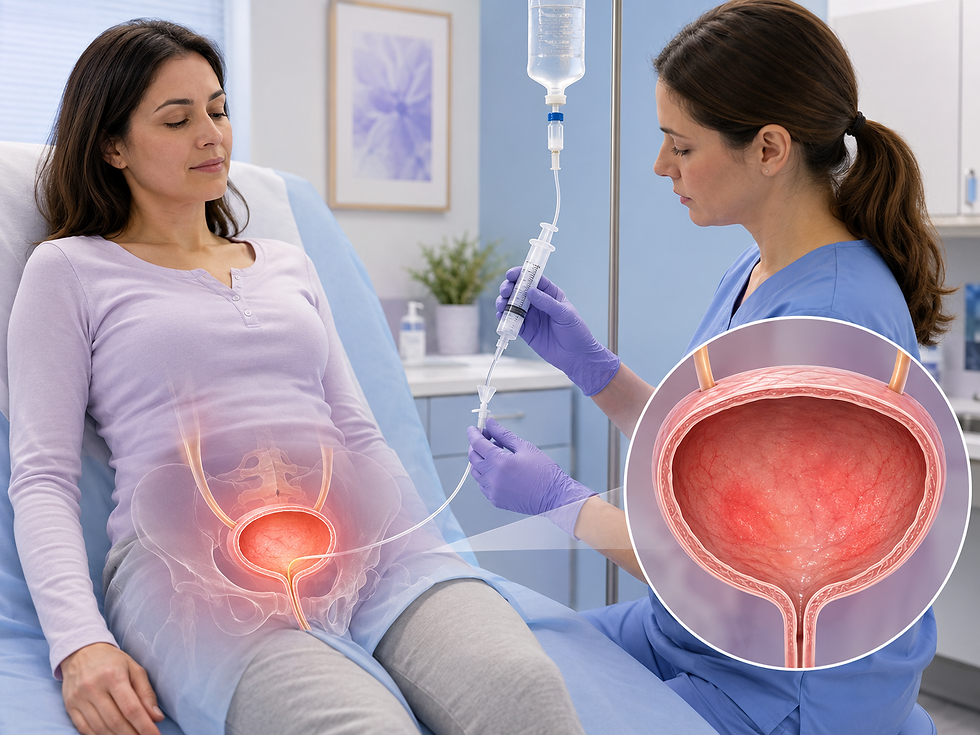
Medications delivered directly into the bladder (sometimes used for bladder cancer or interstitial cystitis) can cause temporary chemical irritation as a known effect.

Other Substances
Recreational ketamine use is associated with a specific pattern of severe bladder damage sometimes called ketamine bladder syndrome. This is a separate medical situation that requires specialized care.
If you are receiving cancer treatment or pelvic radiation and developing bladder symptoms, please contact your treating team promptly. They are best positioned to help.
Common Symptoms of Chemical Cystitis
Symptoms can vary in intensity, but the most common include:
A burning or stinging sensation when urinating
Urgency, even when little urine is present
Frequency, sometimes returning to the bathroom every few minutes
Pelvic pressure or lower abdominal discomfort
A feeling of rawness in the urethra or vulva
Sometimes light spotting or pink-tinged urine in more significant cases
A clear flare pattern that follows certain exposures
Severe cases involving chemotherapy or radiation can also involve more significant bleeding, clots, or pain. These require immediate medical attention.
Why Chemical Cystitis Is So Often Missed
If you've been treated for UTIs repeatedly without clear improvement, the reasons are real and systemic.
Symptoms overlap so closely with UTIs that the default response is usually to prescribe antibiotics.
Short appointments make it hard to explore detailed exposure histories.
Many women aren't asked what soaps, products, or activities preceded the flare.
Repeated negative cultures are sometimes brushed off rather than investigated further.
Chemical cystitis isn't widely discussed in mainstream women's health content.
Many women have learned to expect dismissal and don't bring up details that feel small.
None of this is your fault. It reflects gaps in a system that's still catching up to a fuller view of women's bladder health.

If your bladder symptoms keep returning without clear infection, you don't have to keep navigating this alone. Visit Clinova Solutions to learn how clinician-led telehealth care can help you understand what's really going on.
The Connection to Recurrent UTI Misdiagnosis
For women in Clinova's community, this connection matters deeply. Many women labeled as having "recurrent UTIs" are actually experiencing a mix of:
Some true UTIs
Some episodes of chemical cystitis
Some flares of post-UTI hypersensitivity
Possibly interstitial cystitis or other chronic bladder conditions
Sometimes a combination of these at once
When chemical cystitis is part of the picture, repeated antibiotic courses don't help, and they can actively make things worse by disrupting the microbiome and creating new sensitivities. Identifying chemical triggers can dramatically reduce the number of "flares" a woman experiences, even when other contributors are also at play.
In other words, sometimes the most powerful step isn't a new prescription. It's a careful look at what you're putting on, in, or around your body.
How Chemical Cystitis Is Identified
There isn't a single test for chemical cystitis. Diagnosis typically involves:
A thorough symptom history, including timing of flares
A detailed exposure review, looking at products, activities, and environmental factors
Ruling out infection through urinalysis and culture
Considering other diagnoses such as interstitial cystitis, post-UTI hypersensitivity, atrophic vaginitis, or pelvic floor dysfunction
Exclusion-and-reintroduction approaches where suspected triggers are temporarily removed and observed
A symptom journal is often the single most useful tool. Patterns that aren't obvious in the moment can become very clear on paper after a few weeks.
Treatment Options
The good news is that chemical cystitis usually responds well to a thoughtful approach. The cornerstones include the following.

Identify and Remove the Trigger
This is the foundation of treatment. Many cases of chemical cystitis improve significantly once the irritant is identified and removed.
Bladder-Soothing Habits
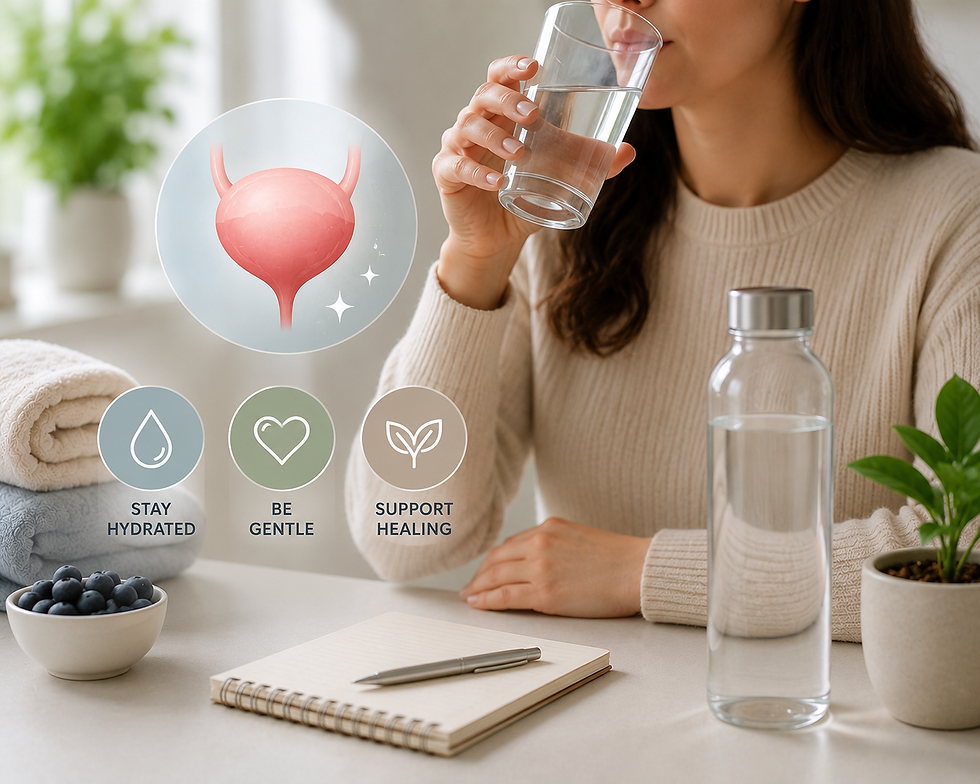
Steady hydration helps dilute irritants in the urine and supports healing. Sipping water through the day to keep urine pale is more helpful than trying to drink huge amounts at once.

Reduce Bladder Irritants
While you're recovering, it can help to temporarily reduce other potential bladder irritants such as:
Caffeine
Alcohol
Carbonated drinks
Citrus and tomato-based foods
Spicy foods
Artificial sweeteners
This isn't forever. It's a way to give your bladder a break while it calms down.
Supportive Comfort Measures
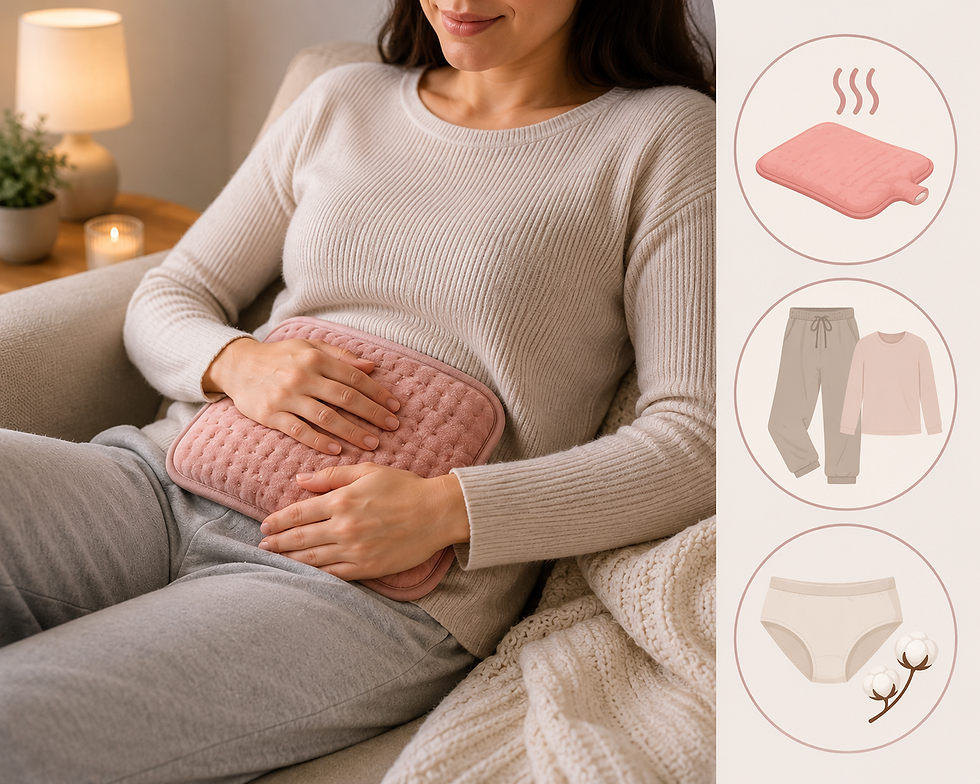
A warm heating pad on the lower abdomen, loose-fitting clothing, and breathable cotton underwear can all help during a flare.

Address Underlying Tissue Health
For women in perimenopause or menopause, low estrogen makes bladder and vulvar tissue more reactive to irritants. Vaginal estrogen can support tissue resilience and reduce sensitivity. This is one of the most evidence-supported tools in this population.

Pelvic Floor Support
If your pelvic floor has been guarding in response to chronic bladder discomfort, gentle pelvic floor physical therapy can help calm muscle tension that may be amplifying symptoms.

Specialized Care for Severe Cases
For chemotherapy- or radiation-related chemical cystitis, treatment can include hyperhydration, specific protective medications, bladder instillations, and other supportive measures coordinated by your oncology team.
Want a clear, easy-to-share resource you can use to track exposures and questions for your provider? Download our free Clinova UTI and bladder health guide. It pairs well with identifying chemical triggers and supporting bladder recovery.
Practical Tips for Identifying and Avoiding Triggers
These steps can help you start identifying what may be contributing to your symptoms.
Keep a symptom journal. Track flares alongside daily products, foods, intimacy, hot tub or pool use, and laundry detergents. Patterns often appear within a few weeks.
Start with the most common culprits. Bubble baths, scented bath products, fragranced wipes, and scented pads or liners are common offenders.
Switch to fragrance-free products. Try plain water or a mild, fragrance-free cleanser for the vulvar area only.
Re-evaluate your intimate products. Look at the ingredients in your lubricant, condoms, and any spermicide use. Glycerin, parabens, propylene glycol, and nonoxynol-9 are common irritants for some women.
Reconsider hot tubs. Heavily chlorinated water can be a frequent trigger.
Rinse and change after swimming. Don't sit in wet swimwear for long stretches.
Switch laundry detergents. Fragrance-free, sensitive-skin options can make a difference.
Use unscented menstrual products. Scented pads and tampons are common irritants.
Choose gentle toilet paper. Unscented and undyed is best.
Try one change at a time. Changing everything at once makes it hard to know what actually helped.
Be patient with yourself. Inflammation takes time to settle. Improvement is often gradual.
When to Seek Professional Support
Please reach out to a qualified clinician if you experience:
Bladder symptoms that don't fit the typical UTI pattern
Repeated negative cultures despite real symptoms
Symptoms that clearly flare with specific exposures
Burning, urgency, or frequency that doesn't improve with antibiotics
Recurrent UTI symptoms that may actually be a mix of causes
A sense that your concerns aren't being fully addressed
Please always seek prompt care if you experience:
Fever, chills, back or flank pain, vomiting
Visible blood in your urine
Sudden, severe pain
Symptoms during pregnancy or after recent pelvic procedures
Bladder symptoms during or after chemotherapy or radiation
You deserve care that takes the time to identify what's actually happening, rather than handing you another prescription without explanation.
How Clinova Solutions Can Help
Clinova Solutions was created for women navigating exactly these kinds of confusing, recurring patterns. Women who have been treated for UTIs they didn't have. Women whose cultures are negative but whose symptoms are anything but. Women who simply want a knowledgeable, compassionate provider who treats them as a whole person.
Our approach is built around:
Clinician-led telehealth care so you can access expert support from home
Personalized plans based on your unique history, symptoms, exposures, and goals
An education-first philosophy that helps you truly understand your body
Specialized focus on recurrent UTIs, chronic urinary symptoms, and the conditions that mimic them, including chemical cystitis, post-UTI hypersensitivity, and interstitial cystitis
Prevention-focused strategies designed to reduce flares and support long-term comfort
You deserve care that connects the dots, listens carefully, and helps you build a plan that works for the long term.
To take a more informed next step, you can:
Download our free UTI and bladder health guide for a clear, practical resource you can keep and share.
Visit Clinova Solutions to learn more about our care model and how we support women through every stage of bladder health.
Frequently Asked Questions
What is chemical cystitis?
Chemical cystitis is inflammation of the bladder caused by exposure to a chemical irritant rather than a bacterial infection. Symptoms can mimic a UTI, but cultures are typically negative and antibiotics don't help.
What are the most common causes of chemical cystitis?
Common everyday causes include bubble baths, scented bath products, fragranced wipes, scented pads or tampons, certain lubricants, spermicides (especially nonoxynol-9), heavily chlorinated hot tubs and pools, and fragranced laundry products. Severe medical cases can involve chemotherapy or pelvic radiation.
How is chemical cystitis different from a UTI?
A UTI is caused by bacterial infection and usually shows up on a urine culture. Chemical cystitis is caused by irritation, has negative cultures, and doesn't improve with antibiotics. The symptoms can look identical from the outside.
Can chemical cystitis cause negative-culture UTI symptoms?
Yes, very often. Chemical cystitis is one of several reasons women may experience UTI-like symptoms with consistently negative cultures.
Are some women more prone to chemical cystitis?
Yes. Women with sensitive bladder or vulvar tissue, a history of repeated UTIs, hormonal shifts (especially low estrogen), chronic inflammation, or recent antibiotic exposure may be more reactive to common irritants.
Can chemical cystitis turn into something more chronic?
Repeated exposure to irritants in already sensitive tissue can contribute to chronic bladder irritation patterns. Identifying and removing triggers early often helps prevent symptoms from becoming entrenched.
Can I treat chemical cystitis at home?
Mild cases often respond well to identifying and removing triggers, gentle hydration, and reducing bladder irritants in the diet temporarily. If symptoms persist, recur, or worsen, professional evaluation is important.
Could my recurrent UTIs actually be chemical cystitis?
It's possible. Many women diagnosed with "recurrent UTIs" actually have a mix of true UTIs, chemical cystitis, post-UTI hypersensitivity, and sometimes interstitial cystitis. A more thorough evaluation can help sort out what's really driving your symptoms.
Are scented products always a problem?
Not for everyone. Some women have no issues, while others are more sensitive. If you're experiencing recurrent bladder symptoms, switching to fragrance-free options is a low-risk experiment that often helps.
Is chemical cystitis my fault?
No. Chemical cystitis reflects how sensitive tissue responds to irritants. It's not a hygiene or moral issue, and you deserve compassionate, informed care without judgment.
When should I see a clinician?
Anytime your bladder symptoms are persistent, recurrent, severe, or affecting your daily life. You don't need to wait until things feel unbearable. Earlier care often leads to faster, more effective relief.
Follow Along for Ongoing Recurrent UTI Education & Support
Healing starts with understanding what's really going on in your body, and you should not have to figure it out alone.
We regularly share educational content about recurrent UTIs, bladder health, pelvic floor dysfunction, hormones, microbiome balance, prevention strategies, and evidence-informed approaches to chronic urinary symptoms across our social platforms.
Follow us for:
Recurrent UTI education
Prevention tips and symptom support
Bladder health insights
Expert-backed wellness content
New videos resources
Real conversations women are not hearing elsewhere
Facebook: Chronic UTI Care
Instagram: chronicuticare
YouTube: Chronic UTI
We’re here to help women feel informed, supported, and empowered through every stage of their healing journey.
This article is for educational purposes only and is not a substitute for individualized medical advice. Please consult a qualified clinician about your specific symptoms and health history.

Comments