Genitourinary Syndrome of Menopause (GSM)

Updated: Jun 19
Written and approved by Dr. Jasmine Bonder and Dr. Adam Bonder
A Common Issue No One Talks About
Somewhere along the way, something quietly shifts. Sex starts to feel uncomfortable, sometimes painful. Daily life brings new sensations of dryness, irritation, or burning. You start getting UTIs more often, or your bladder feels constantly on edge. You wonder if it's just a phase, or if you're somehow doing something wrong.
If any of this sounds familiar, you're far from alone, and the symptoms you're feeling have a name. They may be signs of vaginal atrophy, now more accurately known as Genitourinary Syndrome of Menopause (GSM).
GSM is incredibly common, deeply under-discussed, and very treatable. It affects an estimated half of all postmenopausal women, and many women experience symptoms long before menopause is "official." Yet most women suffer in silence for years before anyone mentions it, often because they feel embarrassed or assume it's just part of getting older.
This guide is here to change that conversation. We'll walk through what vaginal atrophy actually is, why it happens, how it can quietly affect your bladder and overall health, and what evidence-informed options exist to help you feel like yourself again.

If you'd like a printable companion resource to bring to your next appointment, you can grab our free Clinova UTI and bladder health guide here anytime. It's a useful tool when bladder symptoms are part of the picture.
What Is Vaginal Atrophy?

Vaginal atrophy refers to the thinning, drying, and inflammation of the vaginal walls that occurs primarily when estrogen levels decline. The newer medical term, Genitourinary Syndrome of Menopause (GSM), was introduced to better reflect what's actually happening. The effects don't stop at the vagina. They also involve the vulva, urethra, bladder, and surrounding tissues.
That distinction matters, because so many women experience the urinary symptoms of GSM (recurrent UTIs, urgency, burning, bladder pressure) without ever realizing the underlying cause might be hormonal, not infectious.
GSM is not a sign that something is wrong with you. It's a predictable response to hormonal change. And just as importantly, it's a condition with real, evidence-based treatments.
The Bigger Picture: Why GSM Affects Your Bladder, Too
The vagina, vulva, urethra, and bladder all share something important. They all contain estrogen receptors, and they all rely on estrogen to maintain their structure, blood flow, and resilience.
When estrogen levels fall, a number of changes can occur across this entire area:
The vaginal walls become thinner, drier, and less elastic
The vaginal pH shifts, becoming less acidic
The healthy Lactobacillus bacteria that protect against infection decline
The urethra and bladder tissues become more sensitive
The tissues around the urethra lose some of their natural support
The pelvic floor may weaken or become less coordinated
This is why GSM and recurrent UTIs so often go hand in hand. It's also why many women in perimenopause and menopause experience urgency, frequency, or bladder irritation even when no infection is present.
If your bladder has been quietly more reactive in recent years, GSM may be part of the story.
Common Symptoms of Vaginal Atrophy
GSM symptoms vary widely from one woman to another. Some women have mild signs they barely notice. Others experience symptoms that significantly affect daily life. The most common include:
Vaginal and Vulvar Symptoms
Dryness, even without sexual activity
Burning, itching, or general irritation
A sense of tightness or rawness
Soreness or pain at the vaginal opening
Pain or discomfort with intercourse
Light bleeding after sex
Changes in vaginal discharge
Sensitivity to soaps, fabrics, or feminine products that never bothered you before
Urinary Symptoms
Recurrent UTIs
Urgency that feels disproportionate to bladder fullness
Frequency, including waking at night to urinate
Burning with urination, even without a true infection
A sense of pelvic pressure or bladder irritation
Mild leakage or incontinence
Many women describe a slow drift over months or years, not a sudden change. By the time they recognize what's happening, they've often been adjusting their lives to work around it for a long time.
You don't have to keep adjusting. You deserve to feel comfortable in your own body.
Who Gets Vaginal Atrophy?
When most people hear the word "atrophy," they think of menopause. While menopause is the most common cause, GSM affects far more women than that.
You may be more likely to experience GSM if you are:
In perimenopause, where estrogen fluctuations can begin years before your final period
Postmenopausal, when estrogen levels remain consistently low
Recently postpartum or breastfeeding, when estrogen temporarily drops
Using certain hormonal contraceptives that lower local estrogen activity
Taking medications that affect estrogen, such as some breast cancer treatments
Recovering from cancer treatment, including chemotherapy or pelvic radiation
Living with conditions that affect ovarian function
A current or former smoker, which can lower estrogen levels and affect blood flow
GSM is not a moral statement about your body. It's a hormonal and tissue-level reality that responds well to targeted care.
Why GSM Is So Often Missed
If you've felt unheard around these symptoms, you're in good company. Despite being one of the most common conditions affecting women in midlife, GSM is dramatically under-diagnosed. There are several reasons.
Many women don't bring it up, often out of embarrassment or because they assume it's just a normal part of aging to be endured.
Many providers don't ask, especially during short, agenda-packed appointments.
Symptoms are often misattributed, especially when urinary symptoms get repeatedly treated as UTIs.
Confusion about hormone safety keeps both women and clinicians from discussing treatments that could help.
Vulvovaginal health is still a quiet area in medical training.
None of this is your fault. And the silence around GSM is starting to change as more research, more providers, and more women speak up.

If you've felt dismissed or unsure where to turn with these symptoms, you don't have to keep navigating them alone. Visit Clinova Solutions to learn how clinician-led telehealth care can help you understand what's happening and what may help.
For Clinova's community, this connection is especially important. So many of the women we care for have spent years cycling through antibiotics, wondering why their UTIs keep coming back, without anyone ever mentioning their hormones.
Here's what often happens. As estrogen drops, the protective bacteria in the vagina decline. The tissues become thinner and more reactive. Bacteria from the gut have an easier time reaching the urethra, and the urethra itself becomes more sensitive and less defended.
The result is that women in perimenopause and beyond often experience:
More frequent UTIs
UTIs that feel different from before (sometimes more intense, sometimes more subtle)
Persistent bladder symptoms even when cultures are negative
A sense that something has shifted in their urinary health that no one is fully explaining
Addressing GSM is one of the most evidence-supported tools for reducing recurrent UTIs in this stage of life. It is rarely the first thing women are offered, and it should be much higher on the list.
How Vaginal Atrophy Is Diagnosed
There is no single perfect test for GSM. A knowledgeable clinician usually relies on a combination of:
A thorough symptom history, including how long you've been experiencing changes
A discussion of life stage, including perimenopause, menopause, postpartum, breastfeeding, or other relevant context
A focused exam to assess vaginal and vulvar tissue
Vaginal pH testing, which often rises with GSM
Ruling out other causes, such as infection, dermatologic conditions, or pelvic floor dysfunction
The diagnosis is often clinical, meaning your provider's evaluation and your reported symptoms are the foundation. Tests can support the picture, but they aren't required to begin treatment.
Treatment Options That Actually Help
The good news is that GSM is one of the most treatable conditions in women's health. The strategies below are evidence-informed and widely used. Your specific plan should be tailored to your situation, health history, and preferences, ideally with a clinician who understands the bigger picture.

Vaginal Estrogen
Vaginal estrogen is considered one of the most effective treatments for GSM. It's available in several forms, including:
Creams
Tablets or inserts
A long-acting vaginal ring
Unlike systemic hormone therapy, vaginal estrogen works locally. It's delivered directly to the tissues that need it, in very low doses. Major professional societies recognize it as a safe option for most women, and research consistently supports its role in reducing dryness, painful intercourse, and recurrent UTIs.
Many women describe vaginal estrogen as life-changing once they try it. Yet it remains underused, often because of lingering confusion about hormone safety from older studies that involved different formulations and doses.
If you have a history of breast cancer or other conditions that affect hormone use, vaginal estrogen is a topic to discuss carefully with your care team. Many oncologists are now open to its use in selected patients when other measures have not been enough.

DHEA (Prasterone)
A vaginal insert containing DHEA is another option, particularly for women who prefer a non-estrogen approach or who can't use estrogen. It works locally and is converted to active hormones within the vaginal tissue.

Ospemifene
This is an oral medication that can help with painful intercourse from GSM. It selectively affects estrogen receptors and may be appropriate for women who prefer oral treatment.
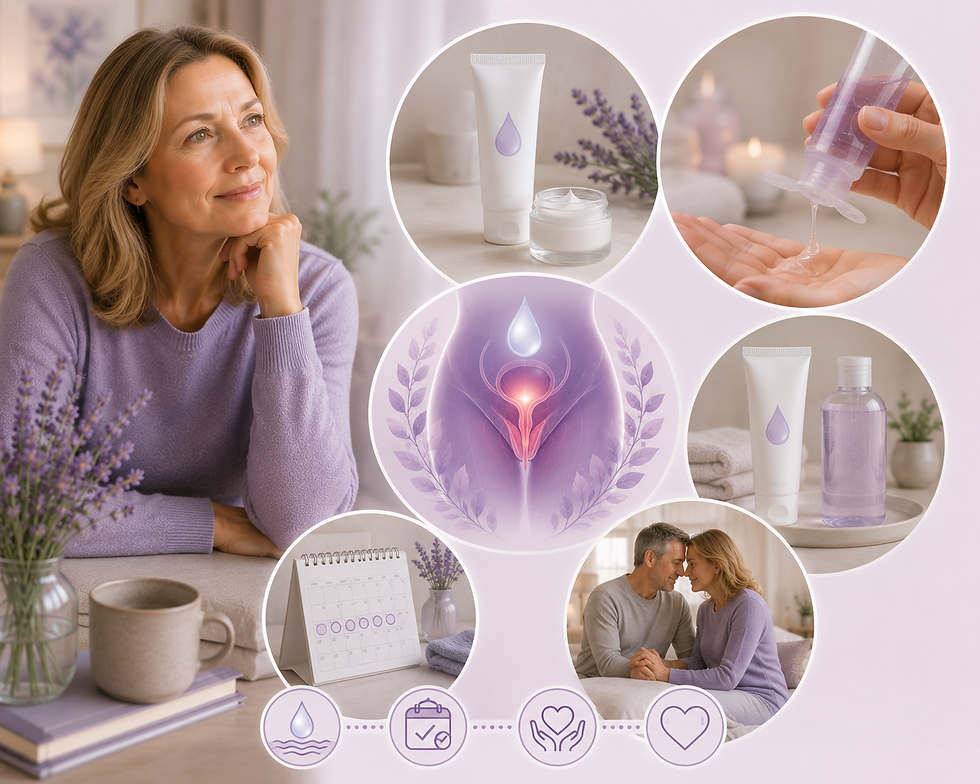
Vaginal Moisturizers and Lubricants
Moisturizers, used regularly, can help maintain tissue hydration and comfort. Lubricants, used specifically during intimacy, can reduce friction and pain. These are helpful for many women and can be used alongside other treatments.

Pelvic Floor Physical Therapy
Pelvic floor muscles often shift in response to GSM, sometimes becoming tight, weak, or painful. A pelvic floor physical therapist can address muscle tension, coordination, and pain patterns that contribute to discomfort.

Lifestyle Approaches
Smoking cessation, hydration, regular sexual activity (when desired and comfortable), gentle cleansing without harsh soaps, and stress management all play supportive roles.

Addressing Bladder Symptoms
For women whose GSM contributes to recurrent UTIs or bladder irritation, the treatment plan often combines vaginal hormone therapy with bladder-supportive strategies. The two work together, not separately.
Many women hesitate to consider vaginal estrogen because of safety concerns they've absorbed over the years. Let's gently address a few of the most common.
"Isn't hormone therapy dangerous?"
The concerns most people remember come from older studies that examined systemic hormone therapy, given in higher doses, primarily to address menopausal symptoms throughout the body. Vaginal estrogen is fundamentally different. It's local, low-dose, and used to treat tissues directly. Modern professional guidelines consistently support its safety for most women.
"What if I have a family history of breast cancer?"
This is a thoughtful question to discuss with your care team. For many women with family history, vaginal estrogen is still considered appropriate. Personal history of breast cancer is a more nuanced situation that should always involve your oncology team.
"Will I have to use it forever?"
GSM is a chronic condition that tends to progress without treatment. Many women use vaginal therapies long-term, often with very little inconvenience. The goal is comfort and quality of life, not a finite course of treatment.
"Will it cause bleeding or other problems?"
Side effects are typically mild and local. Any new bleeding always deserves evaluation, but most women tolerate vaginal estrogen well.
A knowledgeable clinician can walk you through what's right for your specific situation and help you make an informed choice.
Practical Daily Tips
Even before or alongside medical treatment, gentle daily habits can help support comfort and tissue health.
Use a vaginal moisturizer regularly, not just during intimacy.
Choose a quality lubricant for sexual activity. Silicone-based or water-based options without irritating additives are often well tolerated.
Avoid harsh soaps, scented products, douches, and wipes in the vulvar area. Plain water and gentle cleansers are best.
Wear breathable cotton underwear and avoid tight, synthetic fabrics for long stretches.
Stay hydrated.
Be cautious with bladder irritants, such as coffee, alcohol, and artificial sweeteners, if your bladder feels reactive.
Maintain regular gentle movement, including any pelvic floor exercises recommended by a physical therapist.
Talk to your partner. Many partners are deeply supportive once they understand what's happening, and adjusting timing, lubrication, or activity together can help intimacy feel comfortable again.
Don't power through pain. If sex hurts, that's information, not a verdict. There are options.
When to Seek Professional Support
Please reach out to a qualified clinician if you experience:
Persistent vaginal dryness, burning, or irritation
Pain with intercourse
Recurrent or unexplained UTIs
Urinary urgency, frequency, or discomfort without infection
Unexplained vaginal bleeding or spotting
Symptoms that are affecting intimacy, sleep, mood, or daily comfort
Confusion about whether your symptoms are GSM, infection, or something else
You should always seek prompt medical attention for any new postmenopausal bleeding.
You also deserve more thorough care if you've felt brushed off, told to "just use lubricant," or sent home repeatedly with antibiotics that don't seem to help.
How Clinova Solutions Can Help
Clinova Solutions was created for women navigating exactly these kinds of issues. Women who have been told their symptoms are normal. Women who have cycled through antibiotics that don't fully solve the problem. Women who simply want a knowledgeable, compassionate provider who treats them as a whole person.
Our approach is built around:
Clinician-led telehealth care so you can access expert support from home
Personalized plans based on your unique history, hormones, and goals
An education-first philosophy that helps you truly understand your body
Specialized focus on recurrent UTIs, chronic urinary symptoms, GSM, and related concerns
Prevention-focused strategies designed to support comfort and quality of life over the long term
You deserve care that takes your symptoms seriously and helps you feel at home in your body again.
To take a more informed next step, you can:
Download our free UTI and bladder health guide for a clear, practical resource you can keep and share.
Visit Clinova Solutions to learn more about our care model and how we support women through every stage of hormonal and bladder health.
Frequently Asked Questions
What is vaginal atrophy?
Vaginal atrophy is the thinning, drying, and inflammation of the vaginal walls that occurs primarily when estrogen levels decline. It's part of a broader condition called Genitourinary Syndrome of Menopause (GSM), which also affects the vulva, urethra, and bladder.
Is vaginal atrophy only a menopause issue?
No. While menopause is the most common cause, GSM can also affect women in perimenopause, postpartum, while breastfeeding, on certain hormonal medications, and after cancer treatment.
Can vaginal atrophy cause UTIs?
Yes. Falling estrogen affects the protective bacteria, pH, and tissue resilience of the urinary tract. This is one of the most common reasons women begin experiencing recurrent UTIs in perimenopause and beyond.
Is vaginal estrogen safe?
For most women, yes. Vaginal estrogen is local, low-dose, and considered safe by major professional societies. It is fundamentally different from the systemic hormone therapy involved in older studies. If you have a personal history of breast cancer or other conditions, this is a conversation to have carefully with your care team.
What if I can't or don't want to use estrogen?
There are good options. Vaginal DHEA, ospemifene, regular use of high-quality moisturizers and lubricants, pelvic floor physical therapy, and supportive lifestyle measures can all help. A knowledgeable clinician can help you build a plan that fits your preferences.
Will my symptoms go away on their own?
Unfortunately, no. GSM tends to slowly progress without treatment. The good news is that even long-standing symptoms often respond well to appropriate care.
Does GSM affect intimacy?
It can, and it often does. Dryness, pain, and changes in sensation are common. With the right combination of treatments, most women see significant improvement and can return to comfortable, enjoyable intimacy.
Could my recurrent UTIs really be linked to my hormones?
Yes, very possibly. For perimenopausal and postmenopausal women, addressing GSM is one of the most effective strategies for reducing recurrent UTIs. It is often underused in standard care.
Is vaginal atrophy my fault?
No. GSM is a normal, predictable response to hormonal change, not a reflection of anything you've done. You deserve compassionate, informed care without judgment.
When should I see a clinician?
Anytime your symptoms are affecting your comfort, intimacy, sleep, mood, or bladder health. You don't need to wait until symptoms are severe. Earlier care often leads to easier, more effective treatment.
Follow Along for Ongoing Recurrent UTI Education & Support
Healing starts with understanding what's really going on in your body, and you should not have to figure it out alone.
We regularly share educational content about recurrent UTIs, bladder health, pelvic floor dysfunction, hormones, microbiome balance, prevention strategies, and evidence-informed approaches to chronic urinary symptoms across our social platforms.
Follow us for:
Recurrent UTI education
Prevention tips and symptom support
Bladder health insights
Expert-backed wellness content
New videos resources
Real conversations women are not hearing elsewhere
Facebook: Chronic UTI Care
Instagram: chronicuticare
YouTube: Chronic UTI
We’re here to help women feel informed, supported, and empowered through every stage of their healing journey.
This article is for educational purposes only and is not a substitute for individualized medical advice. Please consult a qualified clinician about your specific symptoms and health history.


Comments